Best time to visit Aston Waikiki Beach Tower: month-by-month guide
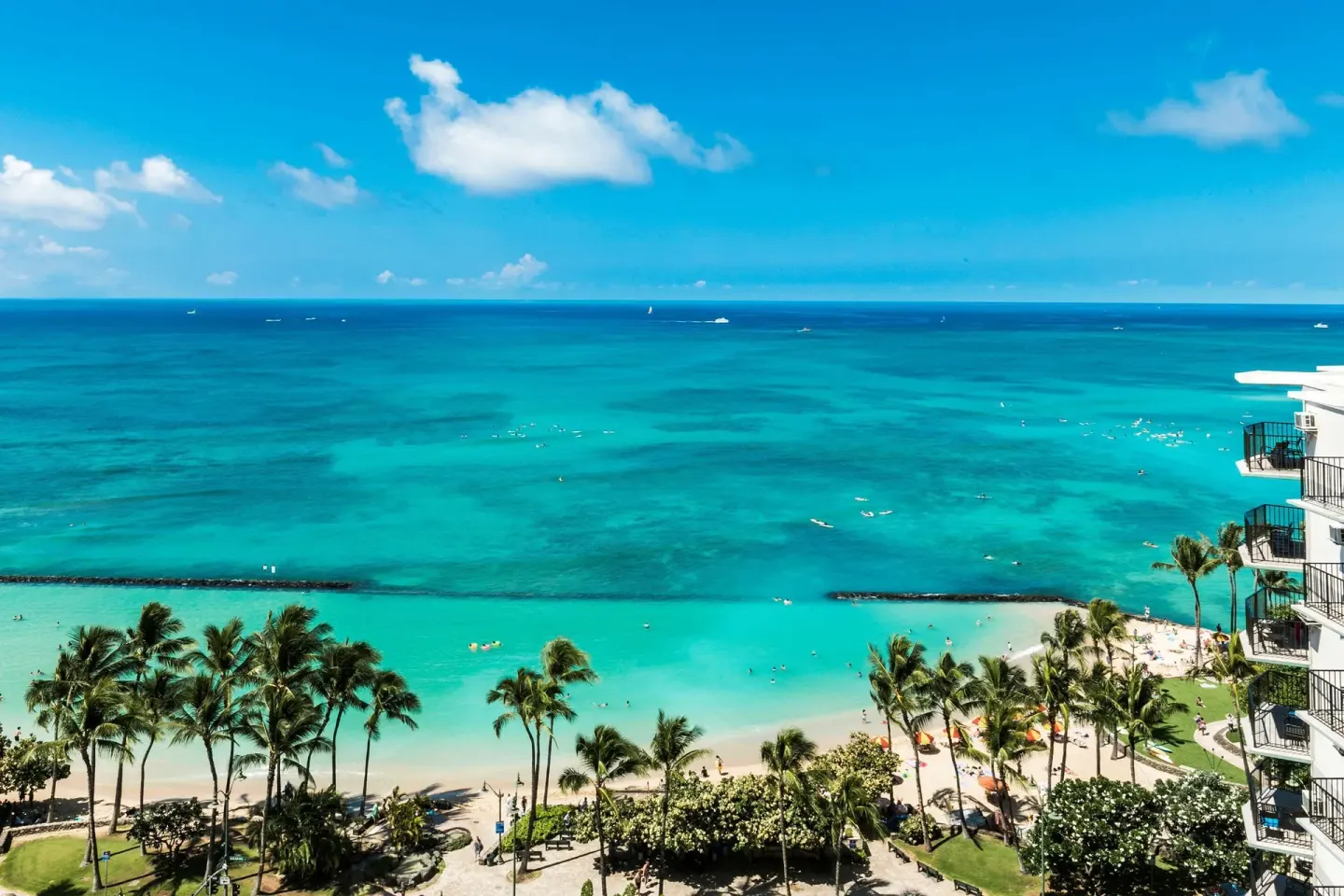
The best times to visit Aston Waikiki Beach Tower are the shoulder seasons—April–May and September–October—when you’ll generally find the best combination of good weather, lower crowds, and more reasonable rates. Winter months (Nov–Mar) bring larger North Shore swells and whale-watching season but also more rain; summer (Jun–Aug) is hotter and busier.
In this guide
Overview: seasons and what to expect
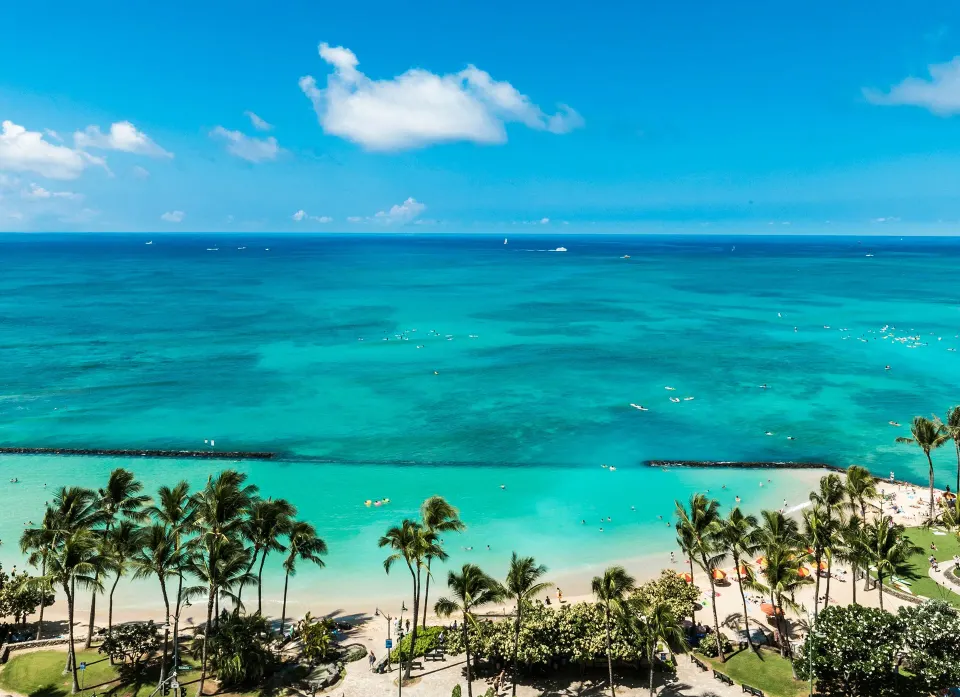
Aston Waikiki Beach Tower sits directly across Kalakaua Avenue from Waikiki Beach, so most stay decisions center on weather, crowds, and surf/shoreline conditions rather than on-site events. Oahu has a dry season (April–October) and a wetter season (November–March).
Shoulder seasons (April–May and September–October) are widely recommended for warm, relatively dry weather with fewer visitors. Winter brings bigger ocean swells on Oahu’s North Shore and peak whale-watching; summer brings higher temperatures and local school holiday crowds.
- Dry season: April through October — generally warmer and sunnier.
- Wet season: November through March — more rain in mountains and north coast, but still many sunny days in Waikiki.
- Special note: ocean temperatures stay fairly consistent year-round (roughly mid-70s to 80°F).
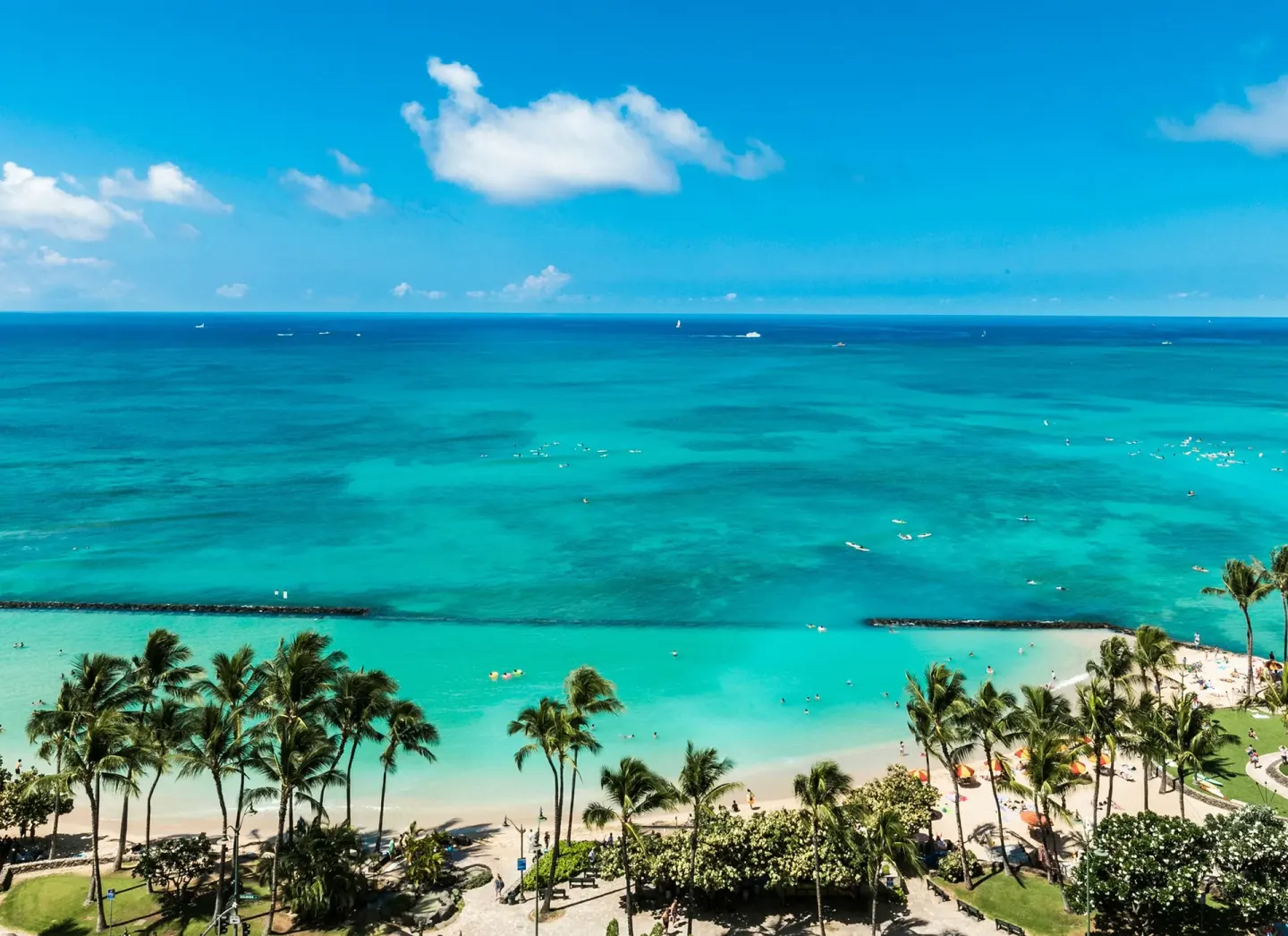
Jan–Mar: winter weather, whale season, and surf windows
Winter months increase the chance of rain and bring the largest surf to Oahu’s North Shore; Waikiki usually remains swimable but occasional stormy days can occur. Humpback whale watching peaks roughly December/January through March, which draws visitors despite wetter weather.
If you plan ocean activities, expect bigger surf offshore on the north-facing shores and milder but still warm daytime highs in Waikiki. The hotel’s location at the eastern end of Waikiki keeps you close to calmer stretches like Kuhio Beach.
- Best for: whale watching, surfers watching North Shore competitions (from a distance), indoor or cultural activities.
- Considerations: more rain in upland and north areas; bring a light rain layer and flexible plans.
Apr–Jun: prime shoulder and early summer travel
April–May are classic shoulder months with lower crowds and generally dry, pleasant weather — a good balance for beach time and lower hotel demand. By June you move into summer heat and higher visitor numbers, particularly later in the month.
April–June is a good window if you want reliable beach days, easy access to Diamond Head hikes, and lower chances of the North Shore winter swells affecting Waikiki.
- Best for: fewer crowds, good beach weather, and lower prices compared with peak summer.
- Tip: reserve parking ahead if you’ll bring a vehicle — valet parking at the property is limited and requires advance notice.
| Month | What to expect |
|---|---|
| April | Shoulder-season weather, lower crowds, good for beach and excursions |
| May | Continues shoulder-season advantages; warm, usually dry |
| June | Early summer warmth; visitor numbers start rising |
Jul–Sep: summer warmth, busy beaches, and family travel
July and August are among the warmest months (typically mid-80s to high-80s°F) and are popular with families on summer break; expect busier beaches, shops, and nearby attractions. September begins to quiet down later in the month as schools resume and the shoulder window returns.
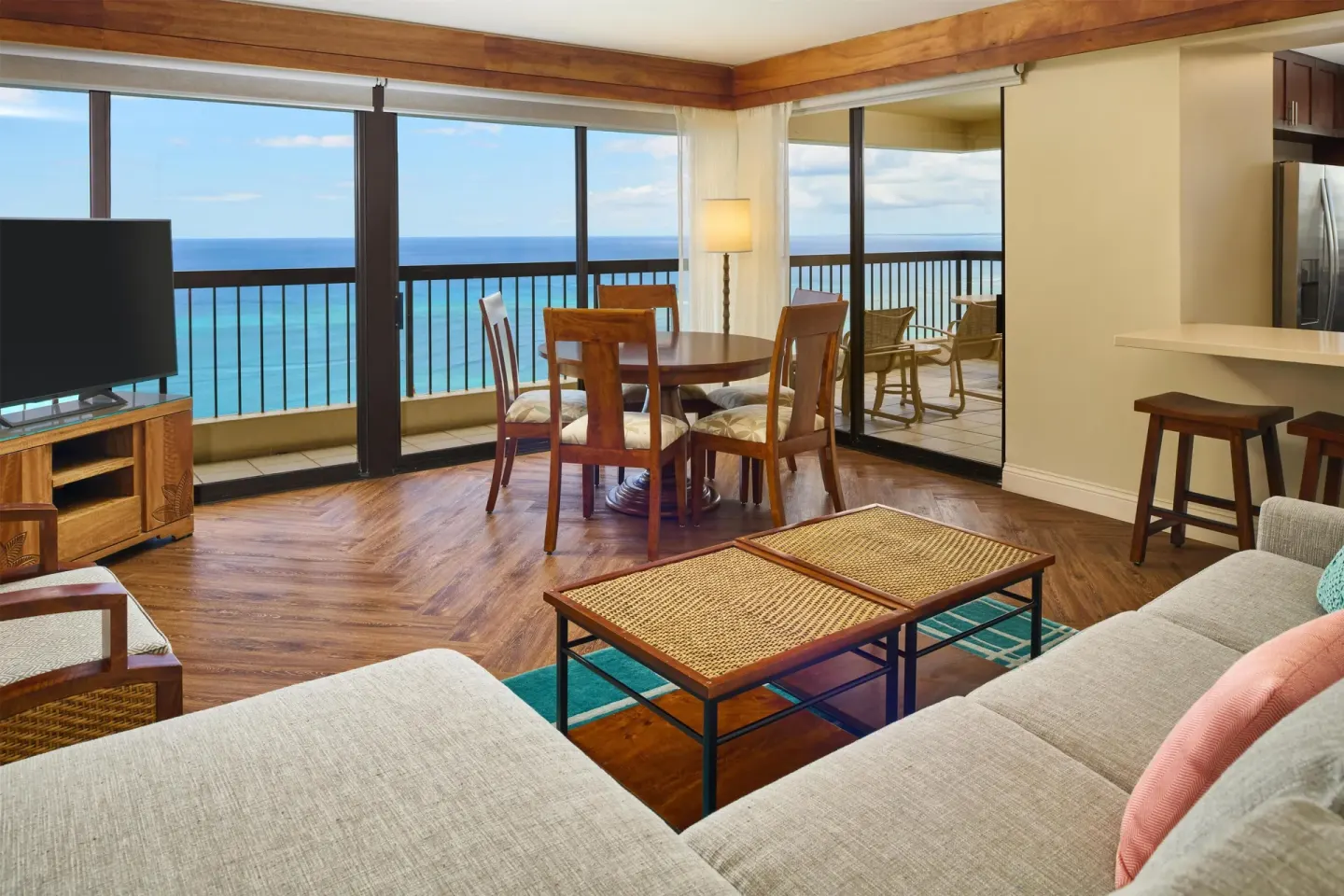
If you need more space for family or groups, Aston Waikiki Beach Tower’s two-bedroom options (Room, 2 Bedrooms, Oceanfront; Room, 2 Bedrooms, Ocean View; Suite, 2 Bedrooms, Partial Ocean View; Premium Room, 2 Bedrooms, Oceanfront) and larger suites like Penthouse, 2 Bedrooms or Presidential Suite, 2 Bedrooms provide living/dining areas and full kitchens.
- Best for: family beach vacations and long daylight hours.
- Considerations: hotter weather, higher demand for rooms, and busy local dining/shops.
| Month | What to expect |
|---|---|
| July | Hot, busy beaches, peak summer crowds |
| August | Hottest month range; continued high visitor numbers |
| September | Early month still busy; quieter later in month (shoulder return) |
Oct–Dec: fall shoulder, holiday buildup, and booking notes
October is generally a good time for lower crowds and warm weather; toward late November and December visitor levels climb again for holidays. Rain chances increase as you move into November and December, especially in the mountains and north coast.
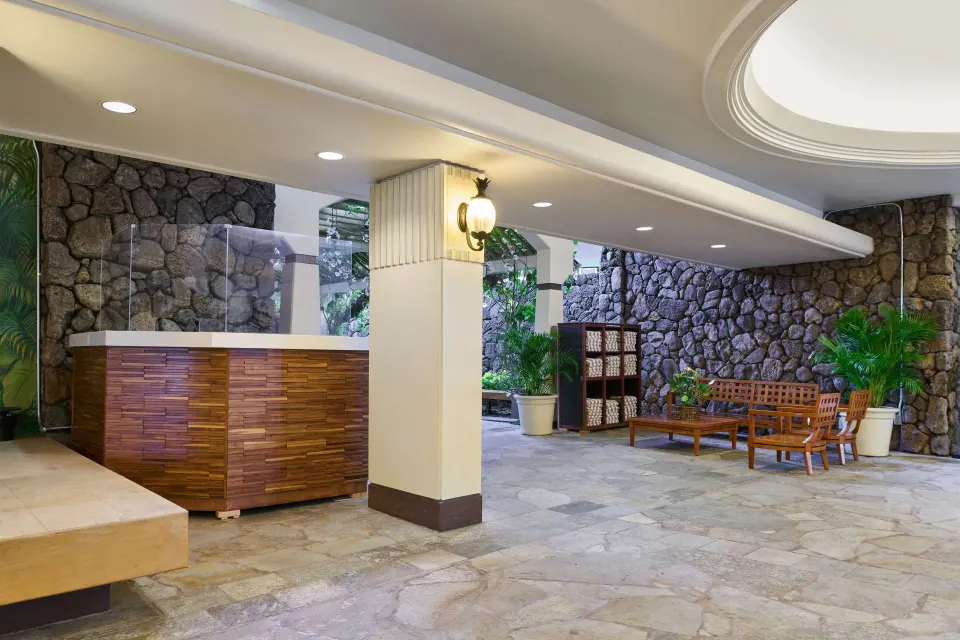
If you’re traveling in late December or around major holidays, book early. The property’s amenity fee covers cultural activities and beach towels, which can be useful year-round regardless of season.
- Best for: October and early November for quieter travel with warm weather.
- Considerations: holiday season (late November–December) increases demand; winter rains begin in November.
| Month | What to expect |
|---|---|
| October | Shoulder-season benefits resume; warm and usually drier |
| November | Wetter weather returns; early-month quieter, late-month busier for holidays |
| December | Holiday travel picks up; whale season approaches and rains increase |
Practical timing tips for booking and activities
Decide what matters most — whale-watching or the lowest chance of rain — and book accordingly. For fewer crowds and reliable beach weather, aim for April–May or September–October.
If you’re planning to drive, contact the hotel about onsite valet parking in advance because spaces are limited and there are height restrictions; oversized vehicles are not permitted. The property is family-oriented and each suite includes a full kitchen and in-suite washer/dryer, useful for longer stays and families.
- Check-in begins at 4:00 PM and check-out is at 11:00 AM.
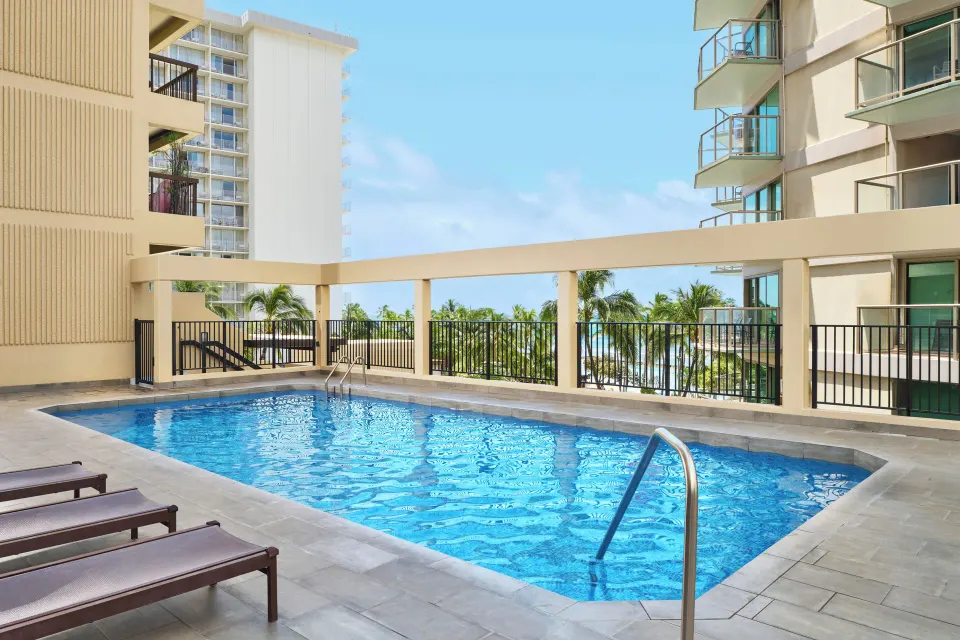
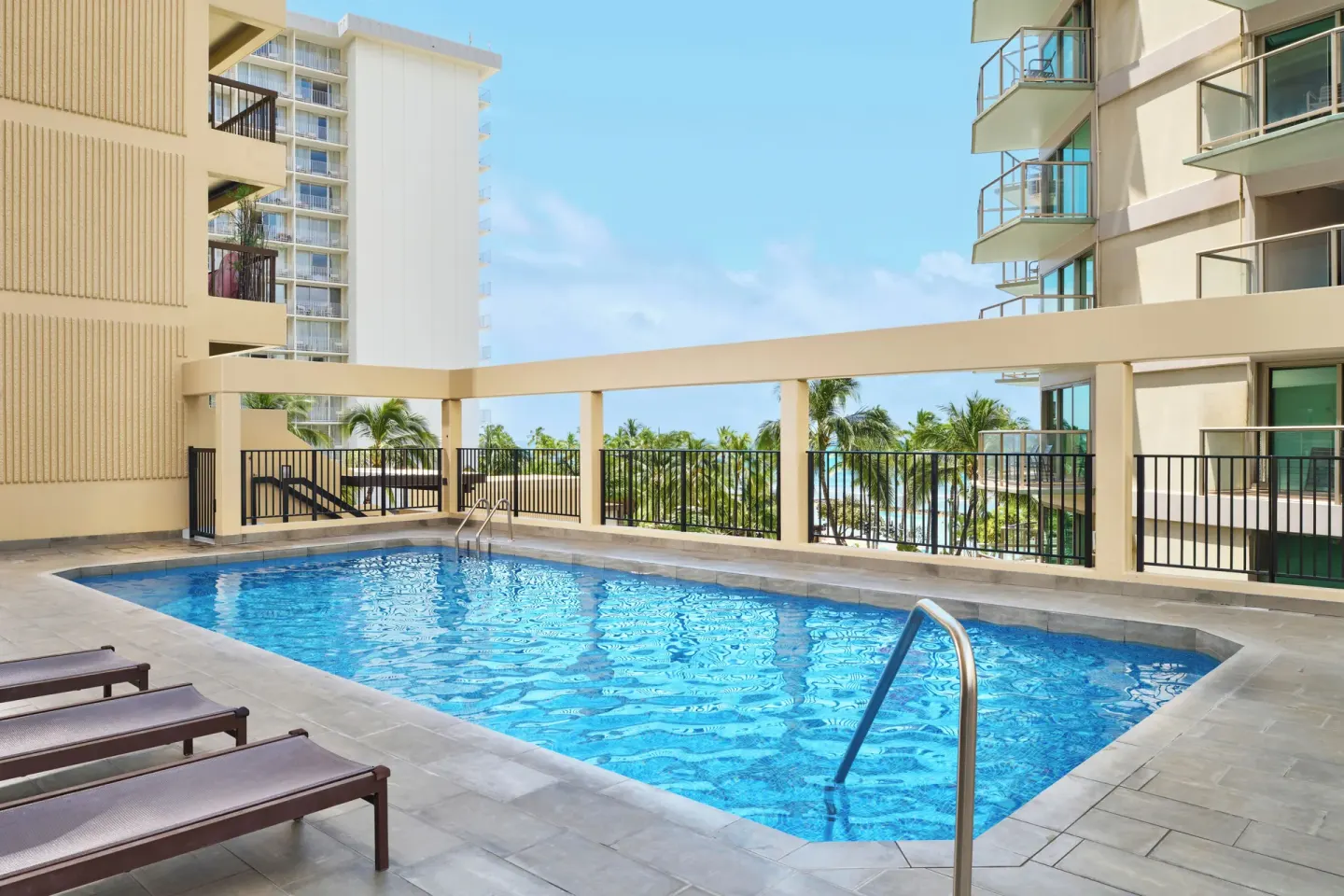
- The recreation deck pool is heated and open daily from 8:00 AM to 9:00 PM.
- Amenity/resort fee includes cultural classes, beach towels, fitness/yoga classes (reservations), and in-suite arrival refreshments.